Sodium Cyanide: A Comprehensive Safety Guide
Sodium Cyanide: A Comprehensive Safety Guide
Blog Article
Handling compound sodium cyanide requires utmost caution and rigid adherence to safety protocols. This guide outlines vital procedures for avoiding exposure, including correct containment, private safeguarding equipment utilization, and urgent reaction plans for chance spills. Always consult the material protection data (MSDS) before dealing with sodium salt and ensure that all staff are adequately educated in its secure application. Failure to follow these procedures can result in severe medical outcomes or even fatality.
Proper Management Guidelines for Yellow Compound
Working with sodium compound demands strict adherence to safe operation guidelines. This extremely toxic material requires specialized training and apparatus. Always utilize appropriate personal apparatus, including hand protection , eye shielding , and a air mask approved for salt interaction. Do not work with sodium compound unaccompanied; confirm a colleague is available . Accurate airflow is essential to avoid breathing in of fumes . Keep sodium cyanide in a cold, moisture-free area, away from acidifiers and oxidizing substances . Immediately address any leaks following defined routines , and dispose of debris in agreement with local ordinances.
- Consult the Security Data Document .
- Preserve a tidy area .
- Report any occurrences promptly .
Sodium Cyanide Storage: Essential Requirements
Correct handling of ferrocyanide compound necessitates rigorous compliance to essential keeping standards. Locations designated for sodium cyanide need be secure , supplied with suitable ventilation systems to minimize inhalation hazards, and include fail-safe enclosure in case of incidental release . Staff involved in ferrocyanide warehousing operations need thorough education on controlled manipulation and urgent action methods .
Navigating Sodium Cyanide Transportation Regulations
Moving dispatch of sodium cyanide presents an significant regulatory challenge for companies. Compliance with national guidelines is essentially vital, demanding comprehensive understanding of agency -specific requirements. Regulations differ based on mode of website shipping (road, rail, air, sea) and locale . Shippers must reliably contain the material, displaying required markings and documentation including safety data sheets (SDS) and shipping papers . Training for employees handling the compound is required and periodic inspections are often necessary to preserve conformity.
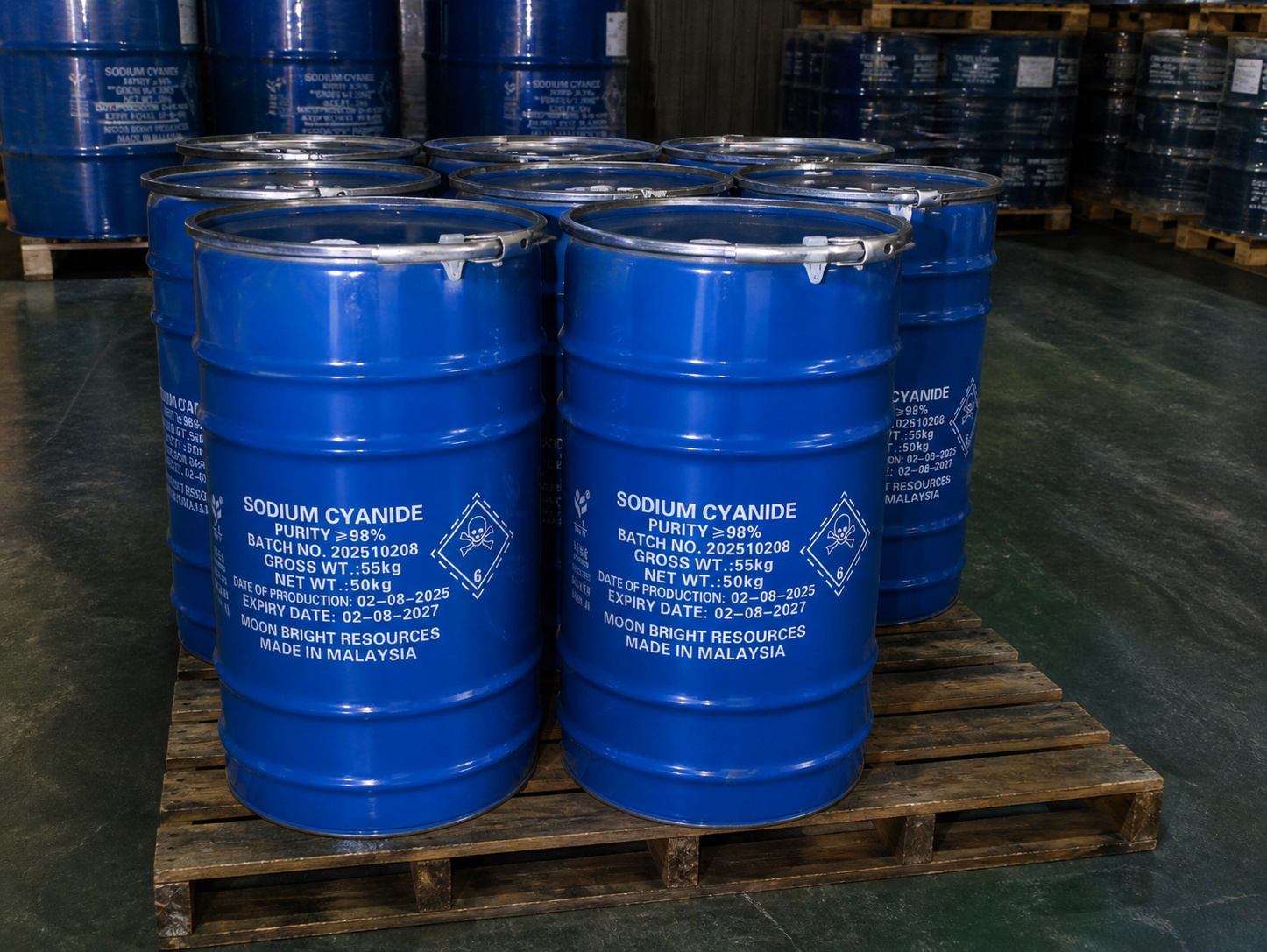
- Review pertinent regulations.
- Ensure sufficient packaging.
- Provide precise documentation.
Understanding the Sodium Cyanide SDS: Key Information
Grasping the Sodium Cyanide Material Safety Data Sheet is vital for individuals handling this hazardous chemical . Direct your consideration to the identification section, which details the structure and dangers . Furthermore , carefully understand the first-aid measures presented in case of exposure . The physical and property characteristics section gives critical information about its behavior and potential incompatibilities . Finally, verify that adequate PPE is employed based on the risk evaluation in the SDS .
Best Practices for Sodium Cyanide Risk Mitigation
Adopting comprehensive danger mitigation strategies is critically essential when handling sodium cyanides. Prioritize stringent engineering systems, such as closed-loop conveyance methods, to lessen potential contact. Employee education courses should address adequate personal security apparel (PPE) determination, crisis answer steps, and danger information. Regular assessments of conservation locations and job methods are necessary to identify and correct any deficiencies. Finally, copyright thorough data of each operations related to sodium cyanide to verify responsibility and assist future betterments.
Report this page